Modern Tattoo
Selecting the right typography is a critical step in visual design, influencing everything from brand identity to user experience. Among the vast array of typefaces available, Modern Tattoo has emerged as a distinct option for designers seeking a blend of historical elegance and contemporary edge. This font belongs to the blackletter family, yet it diverges from traditional Gothic scripts by incorporating modern stylistic nuances that make it highly versatile for various creative projects.
This article provides an objective evaluation of Modern Tattoo, exploring its characteristics, potential applications, and practical considerations. By examining its strengths and limitations, designers and content creators can determine whether this typeface aligns with their specific project requirements.
Understanding the Design Language
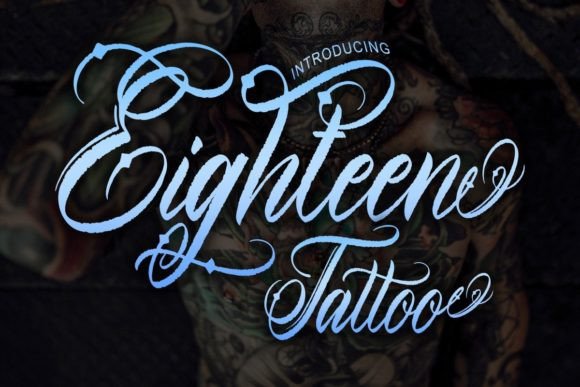
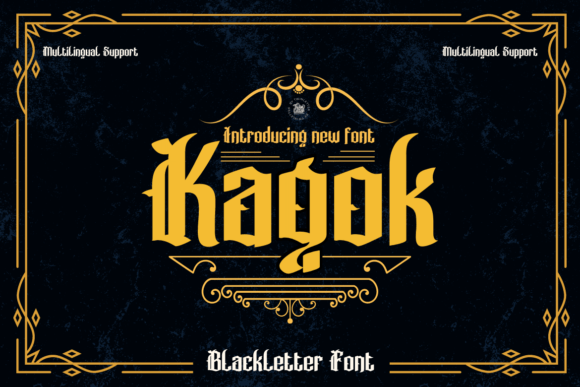
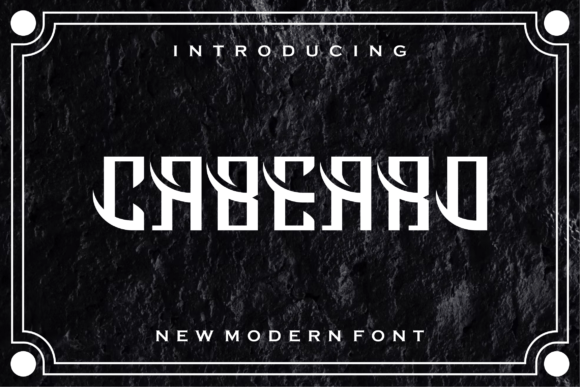
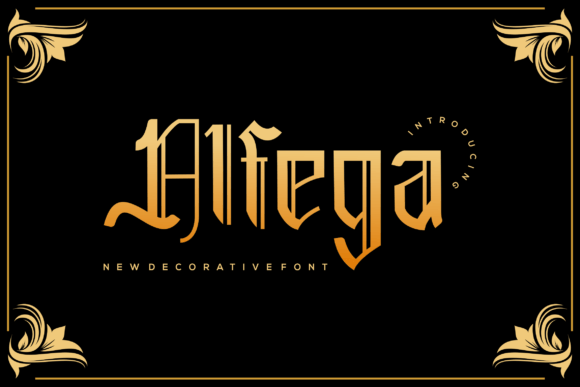
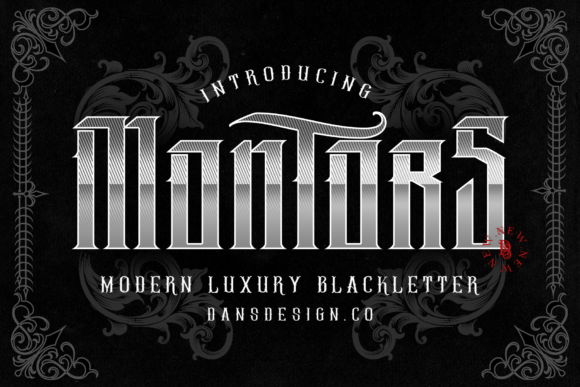
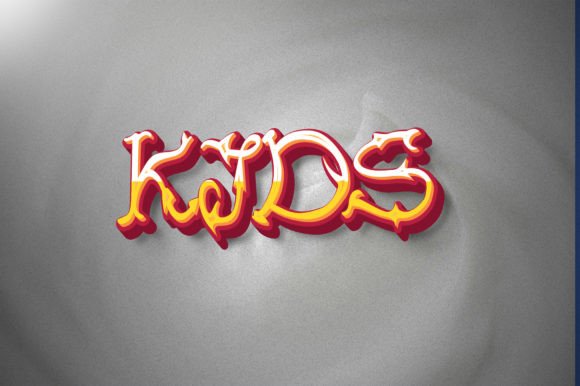
Modern Tattoo is classified as a blackletter or gothic script, a category historically associated with medieval manuscripts and formal calligraphy. However, unlike its rigid predecessors, Modern Tattoo introduces fluidity and adaptability into its structure. The font features sharp angles and intricate details that evoke the aesthetic of traditional tattoo art, hence its name. These elements give the letters a bold, striking presence that commands attention without overwhelming the viewer.
The distinct character of Modern Tattoo lies in its balance between ornate detail and readability. While many blackletter fonts suffer from poor legibility at smaller sizes, Modern Tattoo attempts to mitigate this issue through careful spacing and refined stroke weights. This makes it suitable not only for display purposes but also for medium-sized headings where impact is desired alongside clarity.
Key Visual Characteristics
- Sharp Contrast: The font exhibits high contrast between thick and thin strokes, creating a dynamic visual rhythm.
- Ornamental Details: Subtle flourishes and decorative elements add depth, particularly in capital letters and ligatures.
- Versatile Weight: Available in varying weights, allowing for hierarchical text structures within designs.
- Cultural Resonance: The style naturally evokes themes of tradition, rebellion, and craftsmanship, making it ideal for brands with strong narratives.
Why Consider Modern Tattoo?
Designers often seek typefaces that offer more than just functional communication; they look for fonts that convey emotion and personality. Modern Tattoo serves this purpose effectively by bridging the gap between historical authenticity and modern sensibilities. Below are several reasons why this font might be included in a designer’s toolkit.
Distinct Brand Identity
In a digital landscape saturated with sans-serif and geometric typefaces, standing out requires unique visual cues. Modern Tattoo offers a distinctive look that can help brands differentiate themselves. For businesses in industries such as tattoo parlors, rock music venues, artisanal craft markets, or heritage-inspired fashion labels, this font reinforces brand values of authenticity and boldness.
Emotional Impact
Typography plays a significant role in setting the tone of a piece. The sharp, angular nature of Modern Tattoo can evoke feelings of strength, precision, and confidence. When used appropriately, it can transform a mundane headline into a compelling statement. Its ability to inject energy into static layouts makes it a valuable asset for posters, album covers, and promotional materials.
Cross-Medium Applicability
While traditionally associated with print media, Modern Tattoo translates well to digital platforms when scaled correctly. Its clear forms ensure that it remains recognizable on screens ranging from mobile devices to large displays. This versatility allows designers to maintain consistency across different touchpoints, enhancing overall brand cohesion.
Evaluating Tradeoffs and Limitations
No typeface is universally applicable, and Modern Tattoo is no exception. Understanding its limitations is crucial for making informed design decisions. Overuse or inappropriate application can lead to negative outcomes, including reduced readability and visual fatigue.
Readability Concerns
Despite improvements over traditional blackletters, Modern Tattoo still poses challenges for body text. The intricate details and tight spacing can make long passages difficult to read, especially for users with visual impairments or those viewing content on low-resolution screens. It is generally recommended to reserve this font for headlines, titles, and short captions rather than paragraphs of text.
Licensing and Availability
As with any specialized font, licensing terms vary depending on the foundry or distributor. Some versions may be restricted to personal use only, while others require commercial licenses for broader applications. Designers should carefully review usage rights before integrating Modern Tattoo into client projects or products intended for sale. Additionally, availability across different operating systems and software environments should be verified to ensure compatibility.
Aesthetic Mismatch
The bold, edgy nature of Modern Tattoo may clash with minimalist or corporate designs that prioritize simplicity and neutrality. Using this font in contexts requiring subtlety—such as financial reports, healthcare communications, or academic papers—can undermine the intended message. Careful consideration of context is essential to avoid mismatched aesthetics.
Situational Fit: When to Use Modern Tattoo
To maximize the effectiveness of Modern Tattoo, it is important to identify scenarios where its strengths shine. Here are some situations where this font proves to be a strong fit:
- Event Posters and Flyers: For concerts, festivals, or exhibitions with themes related to music, art, or culture, Modern Tattoo adds an immediate sense of excitement and relevance.
- Logo Design: Brands aiming for a rugged, authentic, or vintage-inspired image can benefit from the font’s strong silhouette and detailed character.
- Packaging Design: Products targeting niche audiences, such as craft beers, leather goods, or specialty foods, often leverage Modern Tattoo to communicate quality and tradition.
- Social Media Graphics: Short-form content benefits from the font’s high visibility and ability to capture attention quickly in crowded feeds.
Alternatives Worth Considering
While Modern Tattoo offers unique advantages, other typefaces may better suit certain needs. Designers should explore alternatives based on specific project goals:
- For Enhanced Legibility: If readability is paramount, consider simpler serif or sans-serif fonts like Garamond or Helvetica. These options provide clearer text rendering for longer passages.
- For Modern Minimalism: Clean, geometric fonts such as Montserrat or Lato offer a contemporary look that complements modern web and app interfaces.
- For Traditional Elegance: Classic blackletters like Old English Text MT or Cloister Black provide a more authentic historical feel, though they may sacrifice some modern accessibility.
Practical Decision-Making Insights
Choosing the right font involves balancing aesthetic appeal with functional requirements. To determine if Modern Tattoo is the right choice for your project, consider the following questions:
- What is the primary goal of the design? If the aim is to create a bold, memorable impression, Modern Tattoo is likely a strong candidate. If clarity and ease of reading are priorities, alternative fonts may be preferable.
- Who is the target audience? Understand the preferences and expectations of your audience. Younger demographics may appreciate the edgy style, while older or more conservative groups might find it too aggressive.
- Where will the font be displayed? Evaluate the medium and size constraints. Ensure that the font remains legible and visually appealing across all intended platforms.
- Does it align with brand values? Verify that the font’s personality matches the brand’s voice and identity. Consistency strengthens brand recognition and trust.
In conclusion, Modern Tattoo is a powerful tool for designers looking to add a touch of historical flair and modern edge to their work. Its unique characteristics make it suitable for a variety of applications, particularly those requiring strong visual impact. However, its limitations regarding readability and contextual appropriateness must be carefully managed. By weighing these factors against project requirements, designers can make informed decisions that enhance both the aesthetic and functional quality of their creations.